
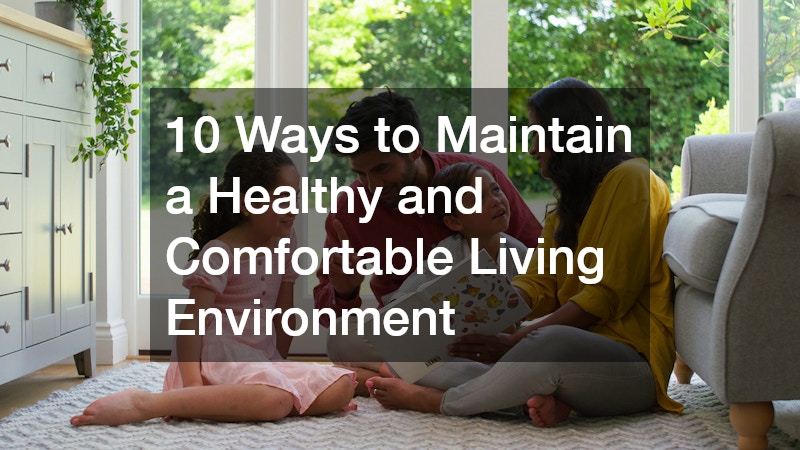
A healthy and comfortable home does more than provide shelter—it supports the overall well-being, safety, and quality of life of everyone who lives there. The condition of your living environment can influence physical health, emotional wellness, productivity, sleep quality, and even long-term lifestyle habits. From indoor air quality and cleanliness to organization, safety, nutrition, and daily routines, many factors work together to create a home that promotes comfort and supports healthy living.
Modern households face a variety of challenges that can affect their living environment. Poor ventilation, clutter, inadequate maintenance, unhealthy habits, and overlooked safety concerns can gradually impact both comfort and wellness. Fortunately, creating a healthier home does not always require major renovations or expensive upgrades. In many cases, small, consistent improvements can make a significant difference in how a space feels and functions.
A well-maintained living environment encourages better habits, reduces stress, and helps prevent common health and safety issues. Proper cleaning routines, organized spaces, balanced nutrition, physical activity, preventive maintenance, and thoughtful home design all contribute to a more comfortable and supportive atmosphere. These efforts can benefit every member of the household, from young children and working adults to older family members and caregivers.
Creating a healthier home also involves taking a proactive approach to daily living. By addressing potential concerns before they become larger problems and making intentional choices that support wellness, homeowners can improve both short-term comfort and long-term quality of life. The goal is not perfection but creating an environment that consistently supports healthy routines, relaxation, and peace of mind.
The following guide explores practical strategies for improving household wellness, comfort, and functionality. By focusing on key areas of home life, you can create a living space that is safer, healthier, more organized, and better equipped to support the needs of your family for years to come.
1. Support Overall Wellness Through Nutrition

Gut health plays a critical role in overall wellness, influencing immunity, mental clarity, energy levels, and even mood. A balanced diet that supports a healthy digestive system is essential for all family members. Start by including a variety of fiber-rich foods, fermented products like yogurt or kimchi, and fresh fruits and vegetables. These foods nourish the gut microbiome, encouraging the growth of beneficial bacteria that improve nutrient absorption and digestion.
Hydration is another essential component. Drinking adequate water throughout the day supports metabolism, helps eliminate toxins, and maintains healthy bowel function. Avoid excessive processed foods, refined sugars, and artificial additives, which can disrupt gut balance and negatively impact energy and focus.
Meal planning can further support digestive health by encouraging consistent, balanced eating habits. Preparing nutrient-dense snacks and meals in advance helps prevent unhealthy choices during busy days. Families can also incorporate probiotics and prebiotics, under guidance from a healthcare professional, to enhance gut function.
Teaching children about the importance of functional gut health encourages lifelong wellness habits. Simple practices, such as eating slowly, chewing thoroughly, and choosing whole foods, contribute to better digestion and nutrient absorption. A home that prioritizes nutritional wellness fosters energy, vitality, and long-term health for everyone living within it.
2. Encourage Physical Activity for All Ages
Regular physical activity is essential for maintaining healthy bodies and minds. Structured opportunities for exercise, like local gymnastics centers, provide safe and engaging environments for children and adults to develop strength, coordination, and flexibility. Participating in classes or guided sessions helps prevent sedentary habits while fostering social engagement and teamwork.
For younger children, gymnastics offers foundational motor skills, balance, and confidence. Parents should ensure the facility maintains proper safety standards, including trained instructors, padded surfaces, and appropriate equipment. Even brief daily activity routines at home can complement structured sessions, such as stretching exercises, playful obstacle courses, or simple aerobic exercises.
For adults, gymnastics or similar movement-based activities can improve posture, mobility, and joint health. Incorporating strength and flexibility training reduces injury risk and supports long-term physical well-being. Additionally, group-based classes provide motivation and accountability, helping participants maintain consistency over time.
Encouraging a family culture of movement ensures that physical activity becomes a natural part of daily life. Outdoor play, structured classes, and creative movement activities all contribute to overall health, supporting cardiovascular fitness, muscular strength, and mental clarity. By integrating structured and unstructured activity, households can maintain an active, energetic, and balanced lifestyle.
3. Enhance Personal Care at Home
Personal care routines contribute to overall well-being by promoting hygiene, skin health, and self-confidence. Engaging in structured programs, such as esthetician programs or guided home routines, teaches proper skincare, grooming, and self-care practices. This is especially valuable for adolescents and adults establishing healthy habits.
At-home routines can include cleansing, exfoliating, moisturizing, and sun protection, adapted to individual skin types. Regular attention to personal care not only improves appearance but also helps prevent common issues like acne, dryness, or irritation. Incorporating professional guidance ensures techniques are safe and effective.
Self-care practices extend beyond skincare. Hair care, oral hygiene, and nail care are essential elements of maintaining overall health and confidence. Encouraging family members to participate in daily routines fosters independence and promotes personal responsibility.
Creating a dedicated space or schedule for personal care can reinforce the habit and make it an enjoyable experience rather than a chore. Combined with a nutritious diet and regular physical activity, these practices enhance mental well-being and reinforce a positive self-image.
4. Support Vulnerable Family Members
Providing care for elderly relatives or family members with chronic conditions requires thoughtful planning and support. Professional home health care services offer trained caregivers who can assist with medication management, mobility, hygiene, and routine health monitoring.
In addition to professional support, families should implement environmental modifications that enhance safety and accessibility. Examples include installing handrails, non-slip flooring, and easy-to-access storage areas. Clear communication between caregivers and family members ensures that everyone’s needs are met, reducing stress and improving quality of life.
Routine check-ins and scheduled care visits help prevent accidents, monitor chronic conditions, and maintain independence. Combining professional support with a structured home environment creates a healthy, secure living space for vulnerable individuals. Families can also provide social and emotional support, encouraging engagement in activities that promote cognitive function and emotional well-being.
5. Equip Safe and Active Play Areas
Active play is critical for physical development and mental health in children. Safe, properly maintained soccer equipment, such as soccer balls, goalposts, and protective gear, ensures that playtime is both enjoyable and secure. Parents should routinely inspect equipment for damage, sharp edges, or wear and tear that could cause injury.
Organized sports encourage teamwork, discipline, and coordination. Even at home, simple games or practice drills can improve motor skills and cardiovascular health. Encouraging children to participate in outdoor play reduces screen time, increases vitamin D exposure, and fosters social development.
Safety protocols, such as age-appropriate equipment and designated play areas, are essential. Protective gear, proper footwear, and adequate supervision prevent injuries while promoting confidence. Maintaining active play spaces and equipment encourages lifelong habits of physical activity and healthy competition.
6. Strengthen Fitness and Conditioning
Strength and conditioning exercises support overall health by improving endurance, flexibility, balance, and muscle tone. Incorporating athletic training routines for all family members enhances daily performance and reduces the risk of injury.
Home fitness routines can include resistance bands, bodyweight exercises, or supervised weight training, depending on age and skill level. Structured athletic training programs provide guidance on proper form, progression, and recovery techniques. Consistent practice builds cardiovascular health, core strength, and mobility.
Family members can participate together in group workouts or sports-specific conditioning sessions. This not only improves physical fitness but also fosters motivation, accountability, and positive lifestyle habits. Over time, regular athletic training contributes to energy, resilience, and a foundation for long-term health.
7. Promote Relaxation and Stress Relief

Stress management is a crucial component of a healthy living environment. Professional or at-home massage services help reduce tension, improve circulation, and promote relaxation. Regular massage therapy supports mental well-being, alleviates muscle soreness, and improves sleep quality.
Incorporating relaxation techniques, such as deep breathing, meditation, or yoga, complements massage therapy. Designating quiet spaces in the home encourages mindfulness and provides an opportunity to disconnect from daily pressures.
Routine stress relief not only improves mood but also strengthens the immune system and enhances focus. Encouraging all family members to participate in relaxation practices creates a balanced environment that supports emotional and physical health.
8. Maintain Clean and Safe Water Spaces
Swimming pools provide recreational benefits, but maintaining clean and safe water is essential for health. Regular pool maintenance ensures proper chemical balance, prevents algae growth, and protects swimmers from waterborne illnesses.
Check water chemistry weekly, clean filters, and monitor pumps to maintain optimal safety. Supervise children at all times and provide clear rules for pool usage. Proper maintenance extends the life of the pool, reduces repair costs, and ensures a safe, hygienic environment.
In addition to cleanliness, physical safety measures like pool fences, non-slip surfaces, and life-saving equipment are critical. Educating children about water safety and emergency procedures further enhances a safe and enjoyable swimming experience.
9. Prepare for Emergencies
Emergencies can occur at any time, and preparation is vital for a safe living environment. Developing a fire escape plan ensures that all family members know evacuation routes, meeting points, and emergency contacts.
Install smoke detectors on every floor and near sleeping areas, test alarms regularly, and keep fire extinguishers accessible. Conduct routine drills to familiarize children and adults with procedures.
Beyond fire preparedness, consider other emergency scenarios like power outages, severe weather, or medical crises. Maintaining emergency supplies, first aid kits, and clear communication plans reduces panic and ensures the household can respond effectively. Proactive planning protects lives, minimizes property damage, and provides peace of mind.
10. Secure the Home
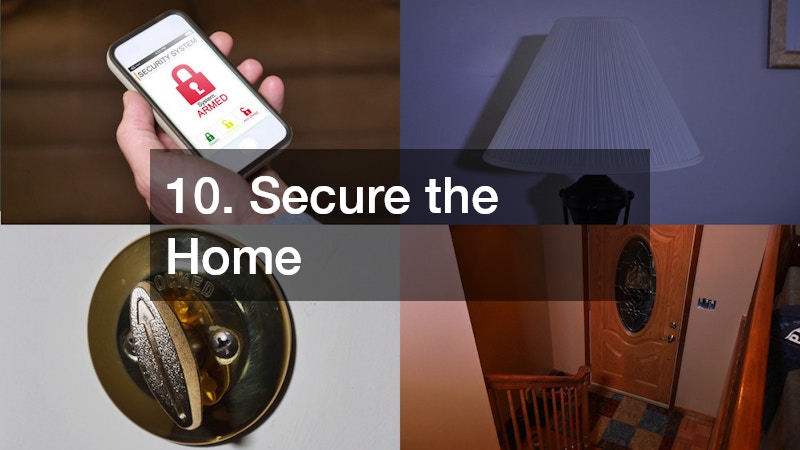
Home security is a cornerstone of a healthy living environment. A reliable security system protects residents, deters intruders, and provides peace of mind. Modern systems offer surveillance cameras, motion sensors, and remote monitoring to enhance safety.
Regularly check locks, gates, and alarm functionality to ensure they remain effective. Combine security measures with visible deterrents, such as lighting and signage, to prevent potential threats. Educate family members on safe practices for locking doors, reporting unusual activity, and responding to alerts.
A secure home reduces stress, protects property, and ensures that the environment supports the well-being of all household members. Integrating security measures with other home health strategies creates a comprehensive approach to safety and comfort.
Conclusion
Creating a healthier and more comfortable home is an ongoing commitment that extends beyond routine cleaning and maintenance. The most successful households take a balanced approach that considers physical wellness, emotional well-being, safety, organization, and everyday functionality. When these elements work together, the home becomes a place that supports productivity, relaxation, and a higher overall quality of life.
Long-term results often come from consistent habits rather than dramatic changes. Simple actions such as maintaining organized spaces, improving indoor air quality, supporting healthy daily routines, addressing maintenance concerns promptly, and prioritizing household safety can have a meaningful impact over time. These efforts help reduce stress, improve comfort, and create an environment that is better equipped to meet the changing needs of family members.
Adaptability is equally important. As lifestyles evolve, households benefit from periodically reassessing routines, living spaces, and wellness practices to ensure they continue supporting health and comfort. Making thoughtful adjustments along the way can help prevent common issues while maintaining a home that feels welcoming, functional, and efficient.
Ultimately, maintaining a healthy and comfortable living environment is an investment in both present and future well-being. By taking a proactive approach to household care and focusing on sustainable habits, homeowners can create a space that promotes wellness, supports everyday living, and enhances long-term happiness for everyone under the roof.